

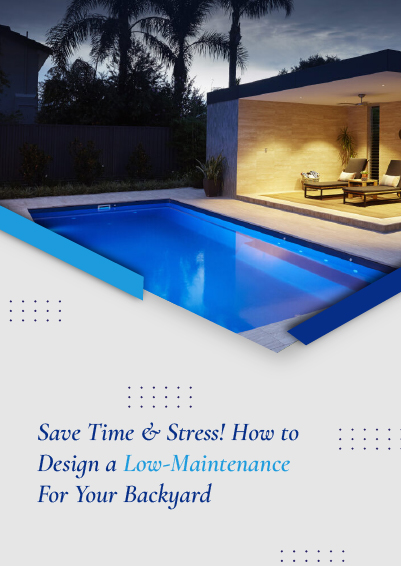
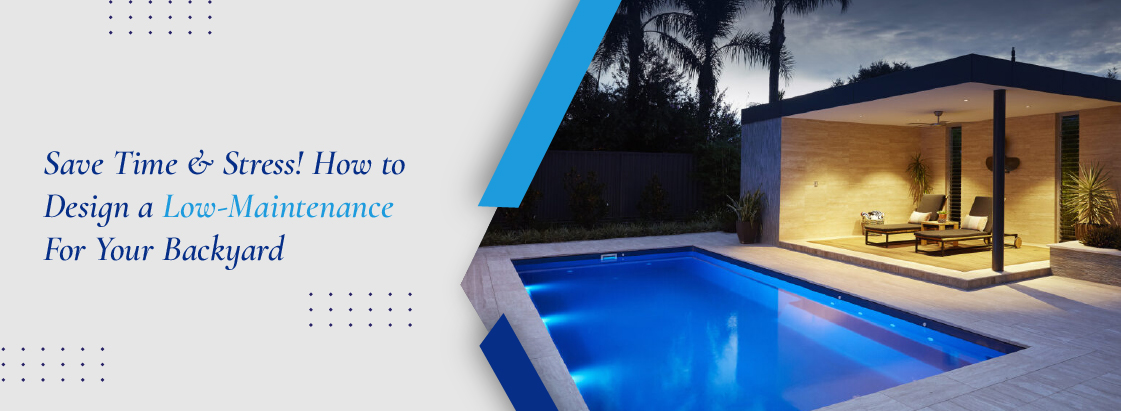
Save Time & Stress! How to Design a Low-Maintenance Pool for Your Backyard
A backyard pool is a dream addition to any home, offering relaxation, entertainment, and a luxurious lifestyle. However, traditional pools can demand significant upkeep, from cleaning and chemical balancing to filtration and repairs. For busy homeowners, a high-maintenance pool can quickly become a source of stress rather than enjoyment. Designing a low-maintenance pool from the outset is the key to saving time, reducing effort, and maximising enjoyment. With careful planning, material choices, and smart features, you can create a beautiful pool that is as easy to care for as it is inviting.
Choosing the Right Pool Type
Concrete Pools
While concrete pools generally require more upkeep, choosing a low-maintenance finish such as pebble or polished plaster can reduce cleaning and chemical demands. Smooth finishes prevent algae adhesion and make brushing easier, while quality coatings extend the pool’s lifespan. Combining a durable finish with automated cleaning systems can make concrete pools more manageable without sacrificing style or customisation options.
Vinyl Liner Pools
Vinyl liner pools offer another low-maintenance option. The liners create a smooth surface that prevents algae buildup and reduces staining. Modern liners are durable and resistant to tears, providing years of use with minimal upkeep. While liners may need replacing every 7–15 years depending on usage and care, their easy installation and low-maintenance benefits make them a practical choice for families and busy homeowners.
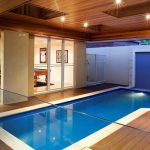
Fibreglass Pools
Fibreglass pools are widely regarded as one of the most low-maintenance options available. These pre-formed pools have a smooth, non-porous surface that resists algae growth and reduces the need for frequent cleaning. Unlike concrete pools, fibreglass requires fewer chemicals to maintain water quality and is quick to install. Their durability and resistance to cracking also minimise repair needs, making them ideal for homeowners seeking a hassle-free experience.
Designing for Easy Cleaning
Pool Shape and Depth
Simple pool shapes, such as rectangular or oval designs, are easier to clean than intricate or irregular shapes. Fewer corners and curves mean debris is less likely to accumulate, and automatic cleaners can operate more efficiently. Similarly, a consistent depth rather than multiple level changes simplifies cleaning and water circulation, reducing the time spent maintaining water quality.
Smooth Surfaces
Selecting smooth pool surfaces reduces algae growth and minimises scrubbing. Materials like fibreglass, vinyl, or polished plaster prevent debris from sticking, allowing water flow and filtration systems to function more effectively. Smooth surfaces also resist staining and are easier to clean after use, reducing the need for harsh chemicals or abrasive tools.
Effective Circulation
Proper water circulation is crucial for maintaining a clean and balanced pool. Strategically placed inlets and outlets ensure that water moves efficiently, preventing stagnant areas where algae or debris can accumulate. Low-maintenance pools should be designed with circulation in mind, allowing filtration systems to operate effectively and reducing the frequency of manual cleaning.
Selecting Automated Systems
Robotic Cleaners
Robotic pool cleaners are an excellent investment for reducing maintenance time. These devices automatically scrub pool walls, floors, and waterlines, removing debris and algae with minimal supervision. By operating independently, robotic cleaners save homeowners hours of manual labour while maintaining a consistently clean pool environment.
Automated Filtration and Chemical Systems
Modern pools can be equipped with automated filtration and chemical dosing systems. These systems monitor water quality and automatically adjust chlorine, pH, and alkalinity levels, ensuring safe and balanced water without daily manual testing. Automation reduces the risk of chemical imbalances, improves water clarity, and saves time on routine maintenance tasks.
Efficient Heating Options
Low-maintenance pools benefit from efficient heating systems such as solar heaters or heat pumps. Maintaining a consistent water temperature reduces algae growth and keeps the pool more comfortable year-round. Solar systems in particular are environmentally friendly and cost-effective, reducing ongoing energy bills and maintenance concerns associated with gas heaters.
Landscaping for Low Maintenance
Minimal Planting Near the Pool
While lush landscaping enhances the visual appeal of a pool area, excessive planting near the water can increase debris, leaves, and pollen in the pool. Choose minimal planting or select low-shedding plants to reduce cleaning requirements. Strategically placed landscaping can also provide shade and privacy without compromising water cleanliness.
Hardscaping and Decking
Using materials such as concrete, pavers, or stone for surrounding areas reduces debris and dirt entering the pool. Hardscaping is durable, easy to clean, and resists staining, making it ideal for low-maintenance pool areas. Non-slip surfaces also enhance safety while minimising upkeep.
Protective Covers
Pool covers are a simple yet highly effective low-maintenance feature. Automatic or manual covers prevent debris from entering the water when the pool is not in use, reduce evaporation, and can improve energy efficiency. Using a cover significantly cuts down on cleaning time and chemical use, making your pool more convenient and eco-friendly.
Safety and Legal Considerations
Even low-maintenance pools must comply with Australian safety regulations. Installing compliant fencing, self-closing gates, and alarms is essential for protecting children, pets, and visitors. Regular safety inspections and maintenance checks ensure your pool remains both enjoyable and legally compliant, while also reducing the risk of accidents or damage.
Maintenance Tips for a Low-Maintenance Pool
While low-maintenance pools minimise work, some routine care is still necessary to preserve water quality and equipment function:
- Regular Skimming: Remove floating debris daily or weekly to prevent accumulation.
- Check Chemical Levels: Even with automation, periodically verify chlorine, pH, and alkalinity.
- Inspect Equipment: Pumps, filters, and robotic cleaners should be checked regularly for proper operation.
- Clean Pool Surrounds: Sweep or hose down decking and hardscape to prevent debris from entering the pool.
- Monitor Water Levels: Ensure water levels remain consistent for optimal filtration and circulation.
Following these simple steps ensures your pool stays in top condition while keeping effort and stress to a minimum.
Conclusion
A well-designed low-maintenance pool allows you to focus on the fun—swimming, entertaining, and relaxing—rather than constant upkeep. It provides a safe, beautiful, and functional backyard space that fits seamlessly with your lifestyle. With careful consideration and the right features, your pool can remain clean, safe, and ready to swim year-round while you enjoy the luxury and leisure it brings. Investing in low-maintenance design not only saves time and stress but also ensures your backyard oasis remains a source of enjoyment for the whole family.