

Built Right Pools | Blog
Pool Pump Energy Rules & What It Means
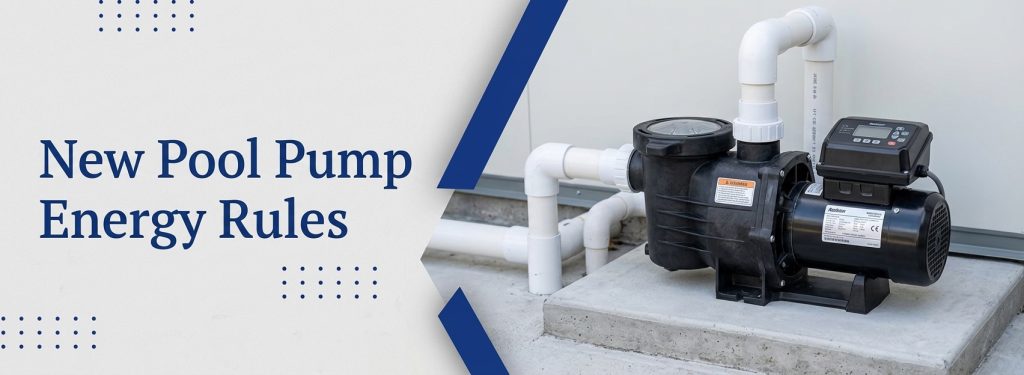
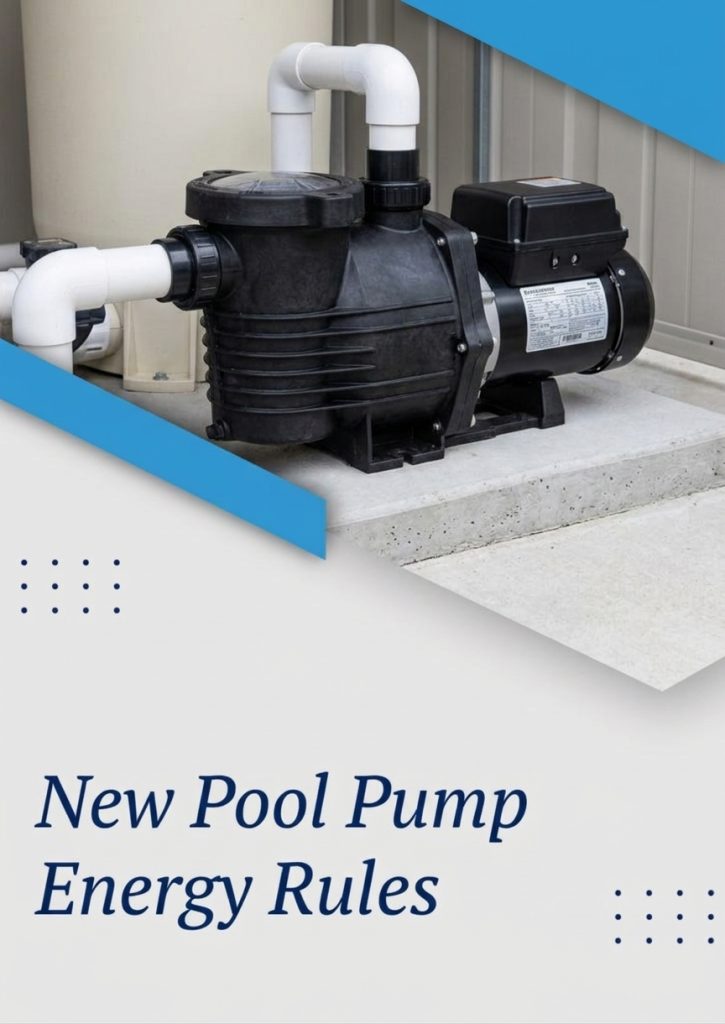
If you're planning a new pool, it's easy to spend most of your decision-making energy on tiles, shape, and size, and forget about the piece of equipment that will run almost every day for the next decade or more. Pool pump energy-efficiency requirements in Australia have been tightening in recent years, and that shift is already changing what a "standard" pump looks like on a new build. Here's what homeowners need to know before they buy.
Why Pool Pump Energy Rules Are Tightening
Pool pumps are one of the biggest ongoing electricity users in an average Australian home, often running for several hours a day to keep water circulating, filtered, and sanitised. Because of this, energy regulators and industry bodies have progressively raised the minimum efficiency bar for pumps sold in Australia, phasing out some of the least efficient models and pushing the market toward smarter, more efficient technology.
The exact detail of star ratings and minimum energy performance standards can change over time and vary depending on pump type and size, so it's always worth checking current requirements with your pool builder or pump supplier rather than relying on last year's information. What matters for homeowners is the broader trend: efficiency expectations are moving in one direction, and older, less efficient single-speed pumps are gradually being squeezed out of the market.
What This Means If You're Building a New Pool
If you're at the planning stage of building a pool, this trend has a few practical implications. First, the pump specified in your build quote should already meet current efficiency requirements, but it's worth asking your builder directly which pump model is included, and why, rather than assuming "standard" means "efficient." Second, because more efficient pumps often use different technology (typically variable-speed rather than single-speed), your pool's plumbing, timer, and switchboard setup may need to be configured slightly differently to get the full benefit.
This is also a good reason to think about pump choice early rather than as an afterthought. Pump size and type affect pipe sizing, filtration turnover rates, and even where equipment can sensibly be positioned, all decisions that are far easier to get right during pool construction than to retrofit later.
Single-Speed vs Variable-Speed Pumps
Single-Speed Pumps
Traditionally, many residential pools have run on single-speed pumps: simple, reliable, and relatively inexpensive to buy, but not very efficient because they only run at one fixed speed, typically full speed, regardless of whether the pool actually needs that much flow at that moment.
Variable-Speed Pumps
Variable-speed pumps can run at a lower speed for routine filtration and only ramp up when more flow is genuinely needed, such as when a cleaner or heater is running. Because pump energy use rises sharply with speed, even a modest reduction in operating speed can produce a meaningful cut in electricity draw.
This is a big part of why variable-speed pumps tend to carry a better efficiency star rating and why they're increasingly the pump of choice for new pool builds, even though the upfront cost is usually higher than a comparable single-speed unit. There are other pump types and configurations too, and the "best" choice can depend on your pool size, layout, and how you use the pool, exactly the kind of detail worth discussing with an experienced pool builder rather than deciding on price alone.
The Long-Term Running Cost Difference
The sticker price of a pump is only part of the story. A pool pump is typically one of the few pieces of equipment in a home that runs almost every day, all year round, which means running costs compound significantly over its lifespan. A pump with a genuinely better efficiency rating can meaningfully reduce your electricity bill over several years, sometimes making up the difference in upfront cost well before the pump reaches the end of its working life.
It's also worth factoring in how energy prices themselves tend to move over time. A pump that looks like a modest saving today can become a much bigger saving as electricity costs rise, which is one reason many homeowners are choosing to invest a little more upfront for a more efficient pump rather than opting for the cheapest available option.
Compounding Savings
Running costs compound over a pump's lifespan, so a better efficiency rating can pay back the extra upfront cost well before the pump wears out.
Rising Energy Prices
A modest saving today can become a much bigger one as electricity costs rise, which is why many homeowners choose efficiency over the cheapest option.
Quieter, Less Wear
By avoiding constant full-speed operation, efficient pumps are often quieter and put less wear on components, meaning fewer maintenance callouts over time.
What to Ask Your Pool Builder
Before you sign off on a pool design and quote, it's worth asking a few direct questions:
- What pump model and type is included in the quote, and what's its efficiency rating?
- Is there an option to upgrade to a more efficient pump, and what would that cost versus the likely running-cost savings?
- How will the pump be plumbed and controlled? Is a timer or automation system included?
- Has the pump been sized correctly for this specific pool's volume and filtration needs?
A pool builder who can answer these clearly, and who is already factoring current energy-efficiency expectations into their standard builds, is a good sign you're working with a team that thinks about the whole life of the pool rather than just the day it's filled.
Choosing the right pump is just one part of getting a new pool build right, but it's one that keeps affecting your household budget long after the concrete has cured or the fibreglass shell has been installed. At Built Right Pools, we build pump selection and energy efficiency into every quote from the start, so there are no surprises down the track.
Get in touch with our team for straightforward advice on pump options, running costs, and everything else that goes into a well-built pool.